
What to Consider Before investing in solar panels
With energy prices remaining a major concern for many of us, more people are exploring solar panels as a way to reduce long-term costs and gain greater control over their energy usage.
But solar isn’t a solution for everyone. Before getting into it, it’s worth understanding whether your property is suitable, what savings you can realistically expect, and which factors will have the biggest impact on performance.
Are Solar Panels Right for Your Property?
Not every roof is created equal when it comes to solar. Before comparing quotes, it’s worth asking whether your property can make the most of a system.
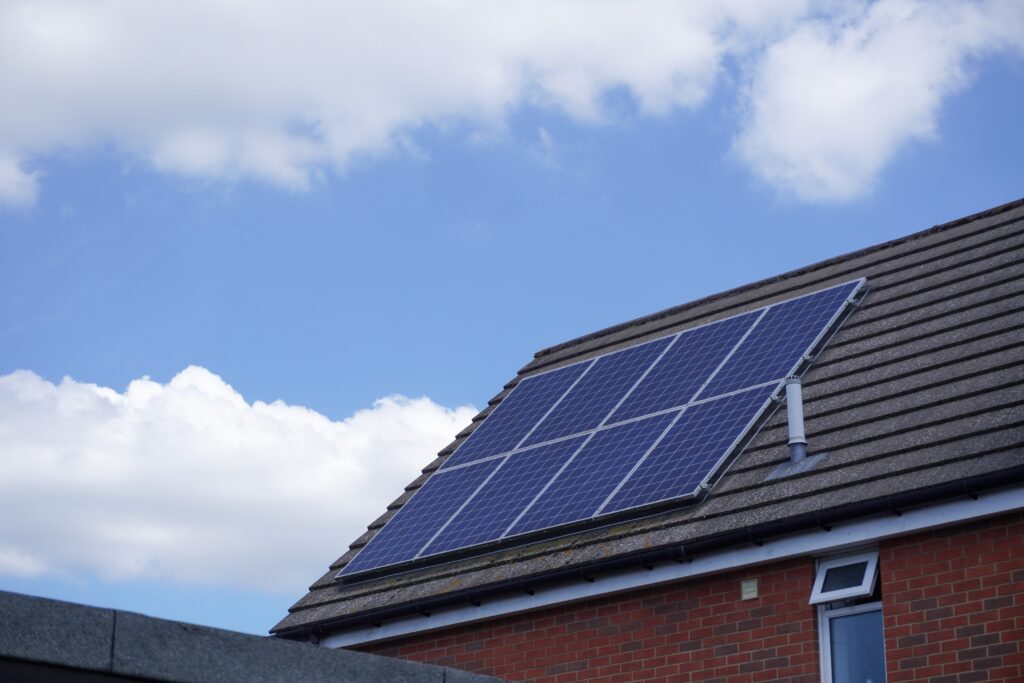
Roof size, angle, and orientation all affect how much energy you can generate. A roof pitched around 30–40 degrees and facing the sun for most of the day tends to perform best, though plenty of less-than-perfect properties still see worthwhile results.
Tall trees, chimneys, or neighbouring buildings can cast shadows that chip away at your output, even if the panels look perfectly positioned from the ground.
If you’re mostly out during the day and home in the evenings, that pattern shapes how much value you get from generation versus storage. A proper site assessment from a qualified installer removes the guesswork, which is exactly why talking to the team at Paul Hussey Electricians matters so much.

How Much Could You Save?
Your savings depend on a few factors, not just a single headline figure. Your current electricity use is the starting point. The more you use electricity during daylight hours, the more value you get directly from solar panels. Energy prices matter too as electricity costs rise, so does the value of generating your own power.
Finally, there’s surplus electricity. Most systems generate more than you’ll use at points in the day. Some schemes let you sell that excess back to the grid rather than wasting it but you can also store any solar energy in a battery at home.
Should You Consider Battery Storage?
Batteries aren’t essential for every solar setup, but they solve the specific problem of timing. Solar panels generate the most power during the day, which isn’t necessarily when you need it most.
A battery stores that excess energy so it’s available in the evening, increasing how much of your own generation you actually use rather than exporting it for a lower return.
Batteries also improve energy independence, giving you a buffer during peak pricing periods or, depending on the system, during outages too. It’s worth discussing with your installer, who can model whether the added cost suits your usage pattern.
Common Mistakes to Avoid
A few mistakes tend to catch new solar users off guard. The first is focusing solely on upfront cost rather than quality or long-term performance. The second is skipping a proper roof suitability assessment, which can lead to underwhelming results even with good equipment. The third is overestimating savings based on best-case scenarios rather than actual usage and local conditions.
Avoiding these pitfalls usually comes down to one thing: working with installers who give grounded, evidence-based guidance rather than figures designed purely to win the sale.
Choosing the Right Installer
A trustworthy installer will also give a clear, itemised quotation and set realistic expectations about output and savings, rather than promising figures that sound too good to be true. Comparing a few providers, and reading what past customers have said, is one of the simplest ways to protect yourself before signing anything.