
When a dental problem strikes without warning, knowing where to turn and what to do can make all the difference. Understanding how to access urgent dental care quickly can save your tooth, relieve debilitating pain, or prevent a minor issue from becoming a serious concern.
What Counts as a Dental Emergency?
Not every dental concern requires same-day attention, but certain symptoms should never be ignored or left to worsen overnight. For most of us a dental emergency is any situation that causes severe pain, uncontrolled bleeding, or poses a risk of lasting damage to your teeth, gums, or jaw.
Common dental emergencies include:
- a severe or persistent toothache that doesn’t respond to over-the-counter pain relief.
- visible facial swelling, particularly around the jaw or cheek.
- a knocked-out or fractured tooth.
- signs of a dental abscess such as a painful swelling filled with pus
- a tooth that has been partially dislodged from its socket.
- A dental abscess, that can spread rapidly to surrounding tissue and, in rare cases, to other parts of the body.
All require prompt treatment without delay.

Common Causes of Dental Emergencies
A dental emergency can happen from a trauma like sports injuries, accidents, or falls, resulting in chipped, cracked, or completely knocked-out teeth. Untreated tooth decay is another cause; when decay reaches the inner tooth, a condition known as pulpitis develops, causing intense, throbbing pain and inflammation that can quickly escalate into a full abscess.
Failed dental procedures such as a lost filling, broken crown, or dislodged bridge can expose sensitive tooth structure, leading to sensitivity and infection. Gum infections and disease can also cause painful swelling.
What to Do Before Seeing an Emergency Dentist
While you arrange your emergency appointment, there are several steps you can take at home to manage discomfort and limit further damage.
- For toothache relief, over-the-counter analgesics such as ibuprofen or paracetamol can help reduce pain and inflammation in the short term, always follow the recommended dosage.
- If a tooth has been knocked out, handle it carefully by the crown rather than the root, rinse it gently with if it’s dirty, and try to reinsert it into the socket if possible. If not, keep it moist by storing it in milk or between your cheek and gum, and get to a dentist within an hour for the best chance of saving the tooth.
- For a suspected abscess, do not attempt to drain it yourself. Rinse your mouth gently with warm, slightly salted water to keep the area clean until you are seen by a dental professional.
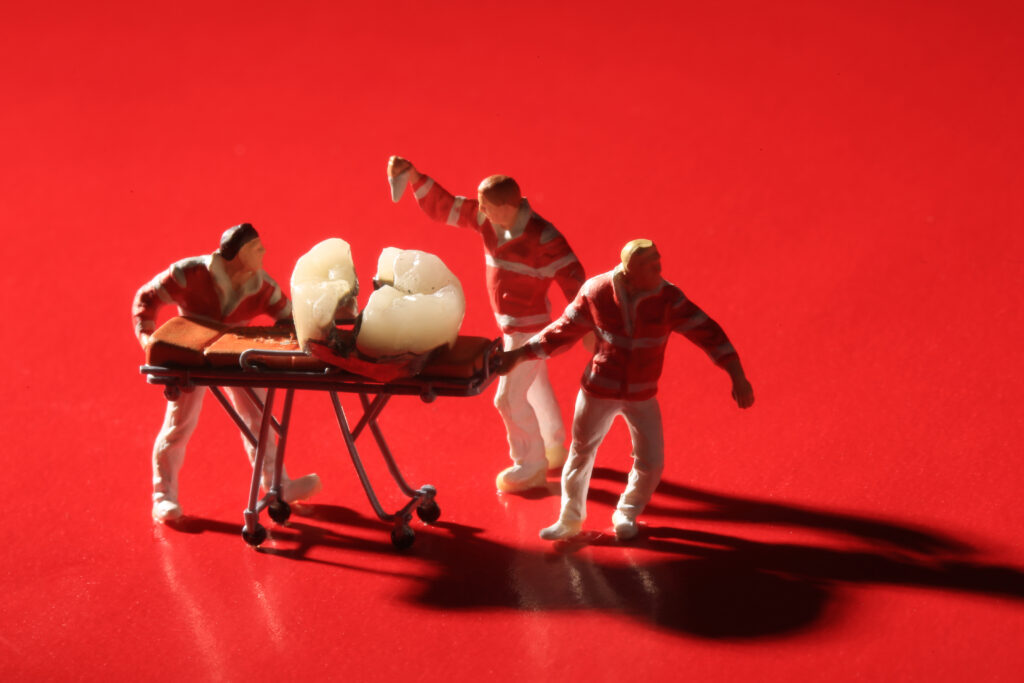
Why Prompt Dental Treatment Matters
Delaying urgent dental care is rarely without consequence. Infection can spread to the jaw, neck, or even the bloodstream if left untreated, creating a potentially life-threatening situation.
Acting quickly when you notice signs of a dental emergency also gives you the best possible chance of preserving your natural tooth
Don’t wait it out. Dental emergencies are unpredictable, but your response doesn’t have to be. If you’re experiencing severe dental pain, swelling, trauma, or any of the warning signs outlined above, contact Queens Square Bath. They provide flexible solutions unique for your teeth. Visit Queen Square Dental’s website today for general dentistry services, professional teeth whitening and help a dental emergency in Bath.